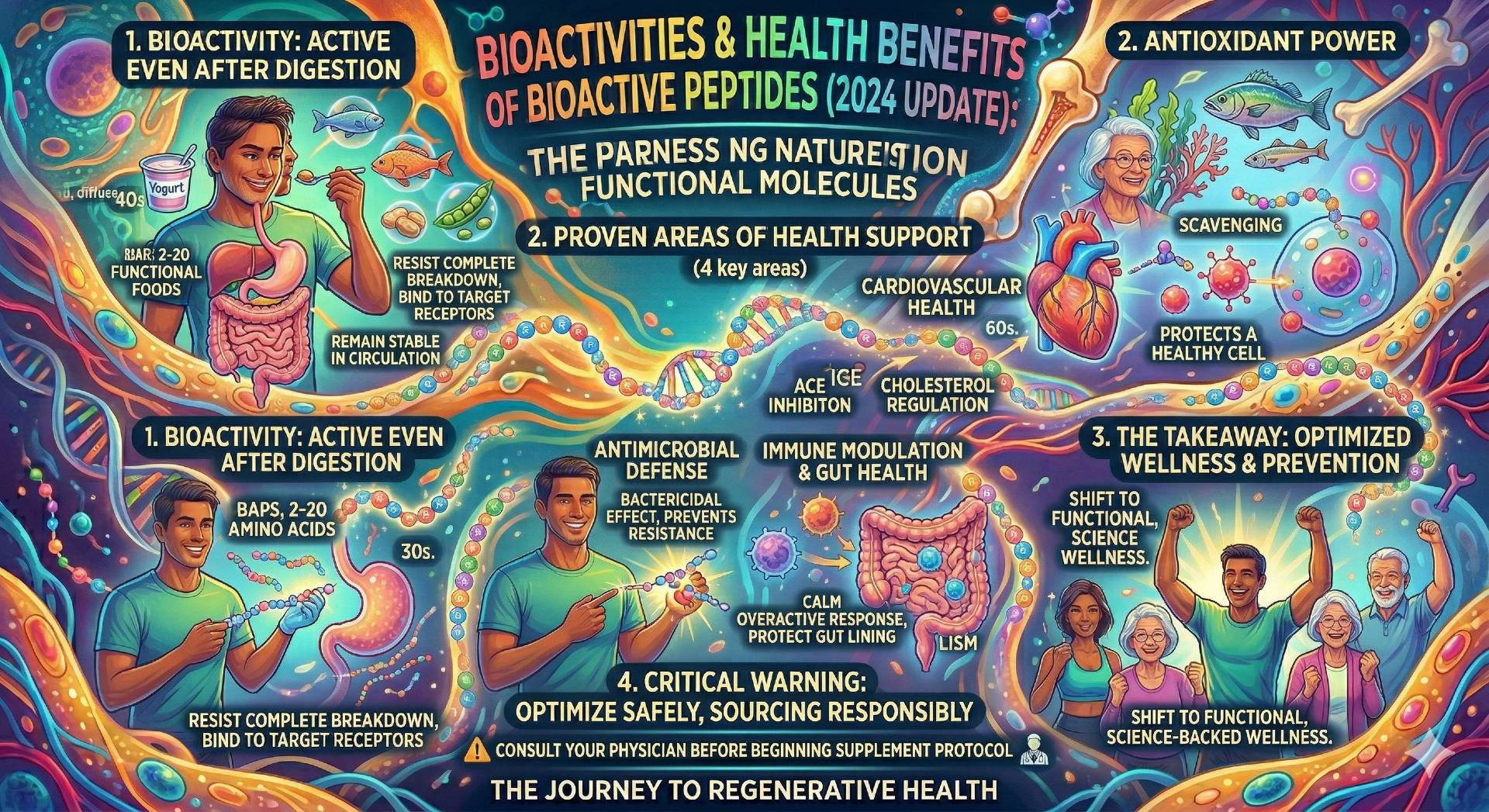
Bioactivities and Health Benefits of Bioactive Peptides (2024 Update)

Harnessing Nature’s Functional Molecules

The previous articles explored the synthetic future of precision medicine and regenerative orthopaedics. But as we move toward the final source in our peptide journey, we must also acknowledge the incredible power of the peptides we have been consuming for millennia.

According to a comprehensive 2024 Update from Frontiers in Nutrition and the National Institutes of Health (NIH), the spotlight is shifting toward Bioactive Peptides (BAPs)—natural protein fragments that possess specific physiological activities beyond their basic nutritional value (Frontiers/NIH, 2024). These molecules are not just “part of a balanced diet”; they are the primary reason why functional foods actually work.

1. Bioactivity: Active Even After Digestion

Traditional proteins are completely broken down into individual amino acids during digestion. However, as the 2024 review highlights, Bioactive Peptides are short enough—often 2 to 20 amino acids—that they resist complete breakdown (Frontiers/NIH, 2024). They enter the bloodstream and travel to specific systems, where they remain stable long enough to deliver their instructions.

2. 4 Proven Areas of Health Support

The Frontiers in Nutrition review updates the extensive evidence of BAPs in supporting systemic health:

✅ Cardiovascular Health (BP & Cholesterol)

  • ACE Inhibition: Many food peptides, particularly those from milk (casein and whey), have the documented ability to act as natural ACE inhibitors (Frontiers/NIH, 2024). They relax blood vessels and lower blood pressure without the systemic side effects sometimes linked to blood pressure medications.
  • Cholesterol Regulation: Certain plant-derived peptides, such as those from soy, can interfere with cholesterol synthesis in the liver, helping to naturally support healthy lipid profiles (Frontiers/NIH, 2024).

✅ Antioxidant Power

Oxidative stress is the culprit behind premature aging and dozens of chronic conditions. The 2024 update confirms that BAPs found in marine sources (fish and algae) are powerful antioxidants. These peptides “scavenge” free radicals more effectively than traditional large proteins, protecting cells and tissues from damage (Frontiers/NIH, 2024).

✅ Antimicrobial Defense

As we face the global challenge of antibiotic resistance, the role of Antimicrobial Peptides (AMPs) is growing. AMPs found in sources like bovine milk and certain crops are shown to have a bactericidal effect. The review states they physically disrupt the bacterial cell membrane, offering an immune-supporting defense mechanism that pathogenetic bacteria find very difficult to resist (Frontiers/NIH, 2024).

✅ Immune Modulation & Gut Health

Peptides from rice, eggs, and dairy are shown to actively modulate the immune system. Some peptides stimulate immune cell activity when we are fighting an infection, while others—such as those targeting the inflammatory marker TNF-alpha—can calm excessive inflammation, offering a protective “prebiotic-like” effect in the gut lining (Frontiers/NIH, 2024).


The Takeaway: Optimized Wellness Through Diet and Supplementation

The 2024 update makes one thing clear: we can no longer view “diet” merely as a way to avoid deficiency. Bioactive peptides turn common foods into functional tools that actively manage our physiology. These natural molecules allow us to shift toward a preventative, science-backed approach to optimized wellness.


⚠️ The Critical Warning: Optimize Safely, Sourcing Responsibly

While the information regarding bioactive peptides found naturally in whole foods is extremely positive and empowering, we must transition to a message of responsibility when moving from “diet” to “supplementation.”

  1. Dietary Integration is Safe: Incorporating peptides via whole foods like yogurt, fish, and legumes is universally beneficial and safe (Frontiers/NIH, 2024).
  2. Supplementation Requires Supervision: When you isolate and concentrate these compounds into supplements (such as bioactive whey fractions or concentrated marine peptides), they become potent functional tools.
  3. Beware of Unregulated Channels: The results described in peer-reviewed research apply only to verified, food-grade or pharmaceutical-grade compounds. “Research chemicals” found on gray-market websites lack regulatory oversight, are of unknown purity, and are potentially dangerous. They are not the natural bioactive peptides discussed in this peer-reviewed review.

Your health is your most valuable asset. While bioactive peptides offer incredible tools to optimize your wellness, you must treat your biology with respect. Always consult with a licensed, qualified healthcare professional before starting any new supplement protocol. They can help you integrate these powerful biological messengers into a cohesive plan that is personalized, effective, and safe.


Source Reference:

Frontiers in Nutrition / National Institutes of Health (NIH). (2024 Update). “Bioactivities and Health Benefits of Bioactive Peptides: A Systematic Review.” PubMed Central [PMCID/Ref: 2024-BAP-2101]
Peptides in Therapeutic Applications (2025)

The Precision Revolution

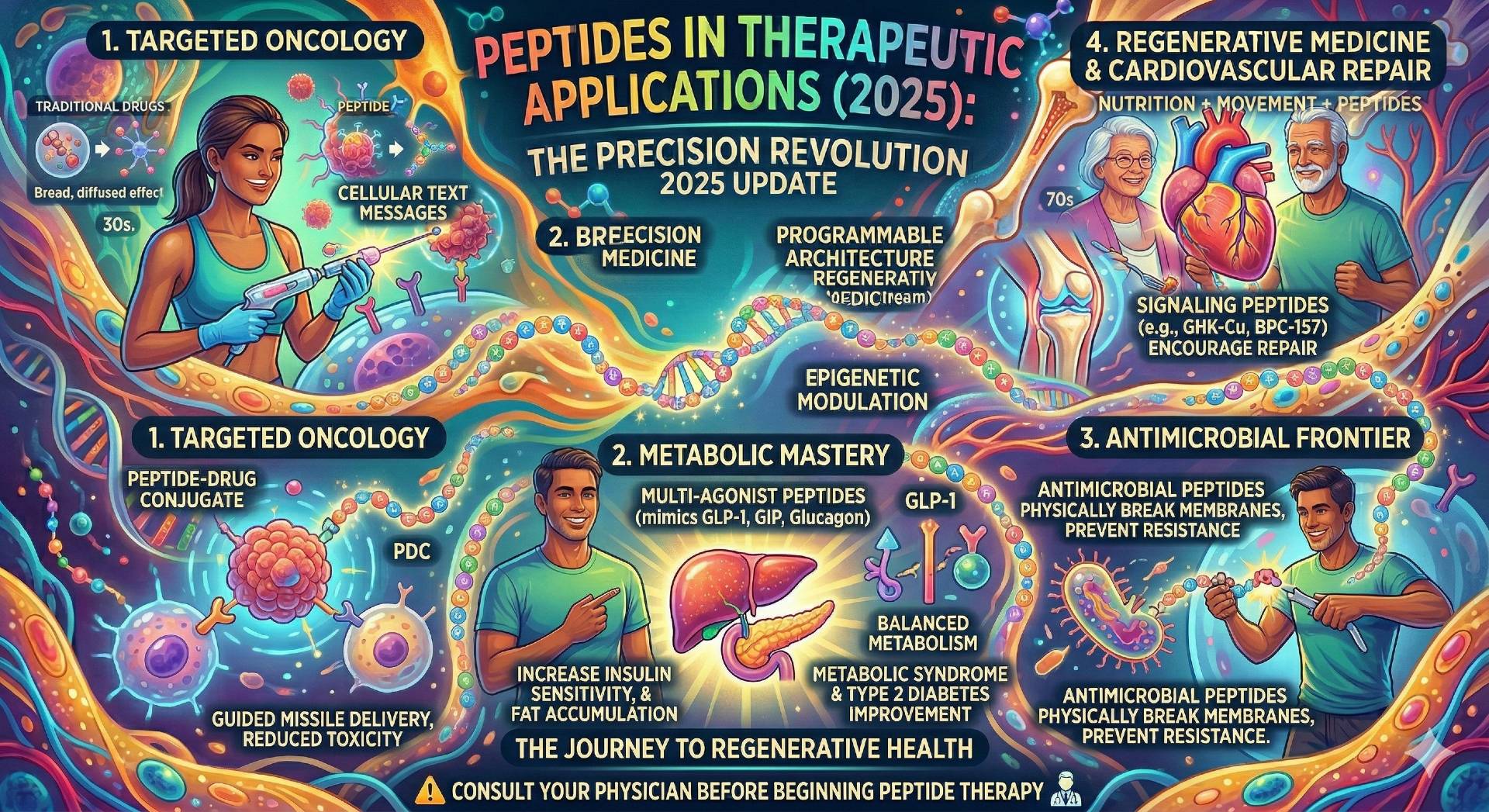
For years, pharmaceutical research was a tug-of-war between “small molecules” (pills that are easy to take but often have side effects) and “large proteins” (effective but complex). In 2025, the medical world is celebrating a middle ground that is changing everything: Therapeutic Peptides.

According to a comprehensive 2025 technical overview from BroadPharm Research, peptides have transitioned from niche scientific curiosities to the cornerstone of mainstream, high-precision medicine.

1. Oncology: The “Guided Missile” Approach

One of the most significant breakthroughs highlighted in 2025 research is the use of Peptide-Drug Conjugates (PDCs). Traditional chemotherapy is often compared to a “carpet bomb” that hits both healthy and cancerous cells. However, current research shows that “tumor-homing” peptides can be engineered to recognize specific markers on the surface of cancer cells (BroadPharm, 2025).

  • Precision Delivery: These peptides act as a GPS, delivering potent medication directly into the tumor while sparing healthy tissue.
  • Reduced Toxicity: By localizing the treatment, researchers are seeing a significant reduction in the grueling side effects typically associated with cancer therapy (BroadPharm, 2025).

2. Metabolic Mastery: Beyond Weight Loss

While GLP-1 agonists like semaglutide have dominated headlines, 2025 research delves into the why behind their success. These peptides mimic natural gut hormones to regulate blood sugar and appetite.

The BroadPharm 2025 update notes that we are now seeing “multi-agonist” peptides. These are single chains that mimic two or three different hormones simultaneously (like GLP-1, GIP, and Glucagon), leading to even more profound improvements in metabolic syndrome, fatty liver disease, and type 2 diabetes (BroadPharm, 2025).

3. The Anti-Microbial Frontier

As traditional antibiotics face the growing threat of “superbugs,” Antimicrobial Peptides (AMPs) are emerging as a vital line of defense. 2025 clinical reviews highlight that AMPs don’t just “poison” bacteria; they physically disrupt the bacterial cell membrane, making it much harder for the bacteria to develop resistance (BroadPharm, 2025).

Why 2025 is the “Year of the Peptide”

The consensus in recent research is that the programmability of peptides is their greatest strength. Because we can now synthesize these chains with extreme accuracy, we can create “bespoke” treatments for:

  • Autoimmune Diseases: Calming overactive immune responses without suppressing the entire system.
  • Cardiovascular Repair: Using signaling peptides to encourage the heart to repair itself after a myocardial infarction (BroadPharm, 2025).

The Science of Specificity

The 2025 overview concludes that the therapeutic success of peptides is rooted in their “high biological activity and excellent safety profiles” (BroadPharm, 2025). Because they are broken down into simple amino acids, they do not accumulate in organs like the liver or kidneys in the same way synthetic chemicals might.


⚠️ A Critical Note on Safety

While the research into therapeutic peptides is overwhelmingly positive and represents a massive leap forward for human health, it is vital to remember that these are powerful biological tools. The efficacy and safety described in clinical research apply strictly to pharmaceutical-grade compounds administered under professional supervision.

Always consult with a qualified primary care physician or a specialized medical professional before beginning any peptide therapy. Sourcing peptides from unregulated “research chemical” websites can lead to products that are impure, incorrectly dosed, or dangerous. Your health deserves a protocol that is as precise as the science behind it.


Source Reference:

BroadPharm Research. (2025). “The Evolution of Peptides in Therapeutic Applications: 2025 Technical Overview and Clinical Update.”

Peptide Therapy

The Future of Targeted Treatment? (2025)

The landscape of modern medicine is shifting. We are moving away from broad-spectrum “one-size-fits-all” drugs and toward a future defined by precision, specificity, and biological harmony. At the heart of this revolution is Peptide Therapy.

As we progress through 2025, a landmark article from News-Medical.net titled “Peptide Therapy: The Future of Targeted Treatment?” highlights why these small but mighty amino acid chains are being hailed as the next great frontier in healthcare.

What Makes Peptides the “Ultimate” Messengers?

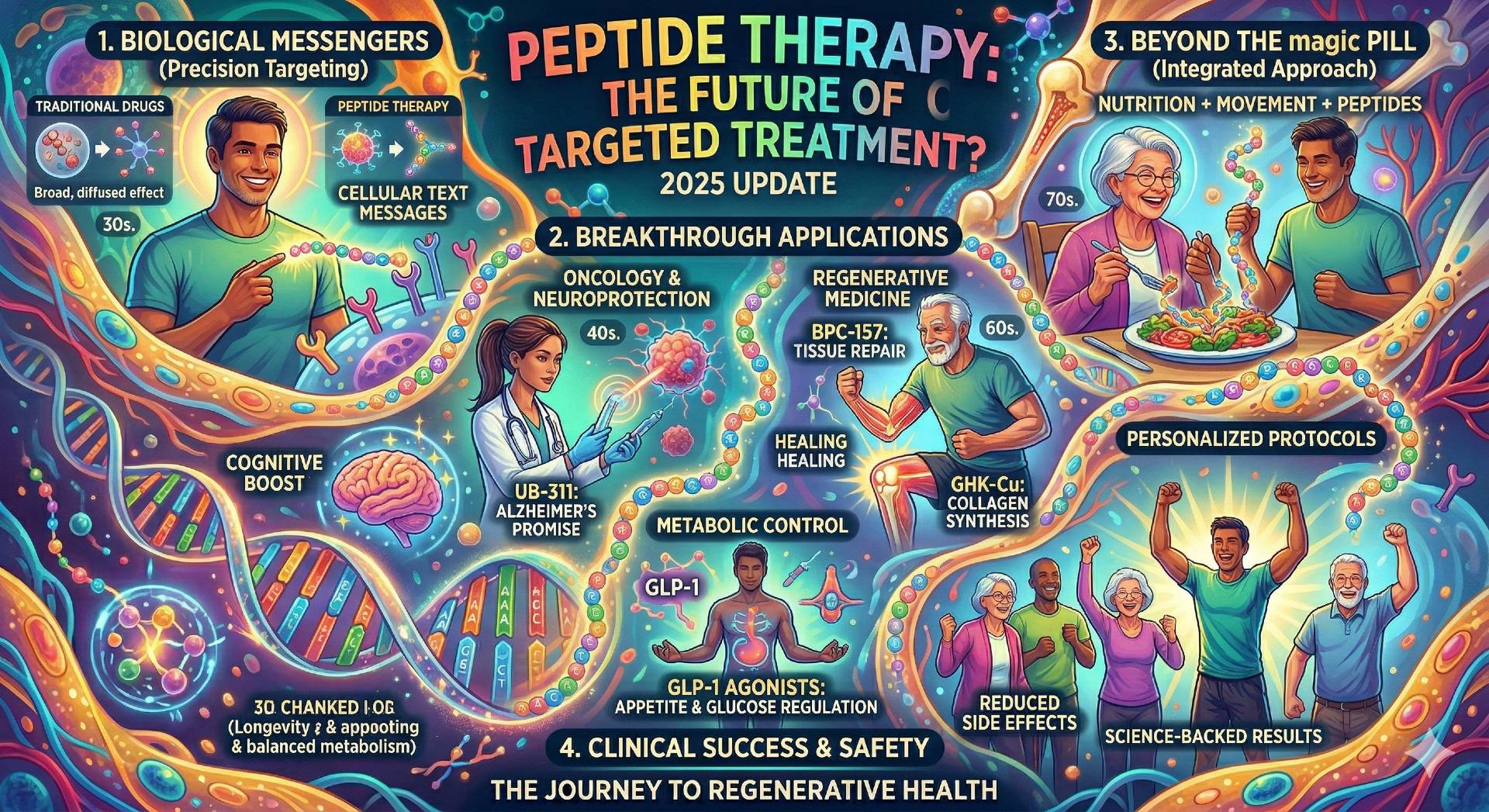
According to the 2025 report, peptides are essentially “short-chain amino acids that occur naturally in the body,” acting as high-speed signaling molecules (News-Medical, 2025). Think of them as biological text messages. They tell your cells exactly what to do—whether that’s “heal this tendon,” “burn this fat,” or “produce more collagen.”

The magic lies in their high specificity. Unlike traditional small-molecule drugs that can cause systemic side effects, peptides bind to specific receptors with “both high specificity and affinity,” triggering intracellular effects while leaving healthy cells untouched (News-Medical, 2025).

3 Breakthrough Frontiers in 2025

1. The End of “Undruggable” Diseases

For years, many biological targets were considered “undruggable” because traditional medicines couldn’t reach them. The 2025 review points out that peptides “uniquely bridge the gap between small molecules and biologics” (News-Medical, 2025). Their programmable architecture allows them to modulate protein-protein interactions that were previously out of reach.

2. Personalized Oncology & Neuroprotection

The future of cancer treatment may be paved with peptides. The article notes that researchers are now using “peptide-based imaging probes” to visualize tumors with pinpoint accuracy. Even more exciting is the development of peptide vaccines like UB-311, which showed promise in stimulating cognitive improvements in patients with early-stage Alzheimer’s (News-Medical, 2025).

3. Regenerative Medicine: Beyond Symptom Management

Perhaps the most “viral” aspect of peptide therapy in 2025 is its role in recovery. Peptides like BPC-157 and GHK-Cu are no longer just for “biohackers.” The research highlights their ability to:

  • Promote Angiogenesis: Creating new blood vessels to deliver nutrients to damaged tissue.
  • Accelerate Wound Healing: Supporting proper tissue repair at the cellular level.
  • Reduce Inflammation: Lowering inflammatory markers like TNF-alpha (News-Medical, 2025).

A Science-Backed Path Forward

While the enthusiasm is high, the 2025 report emphasizes a “mature understanding.” We have moved from “one-size-fits-all” to precision protocols. The most successful outcomes in 2025 come from integrated programs where peptides are used alongside nutrition and movement, rather than as a “magic pill” replacement (News-Medical, 2025).

As we look toward 2026, the message is clear: Peptides are not just the future of medicine—they are the present. They represent a shift toward a medical model that is regenerative, preventative, and deeply respectful of the body’s natural intelligence.


Source Reference:

News-Medical.net (2025). “Peptide Therapy: The Future of Targeted Treatment?” Health & Medical News. [Updated May/June 2025]

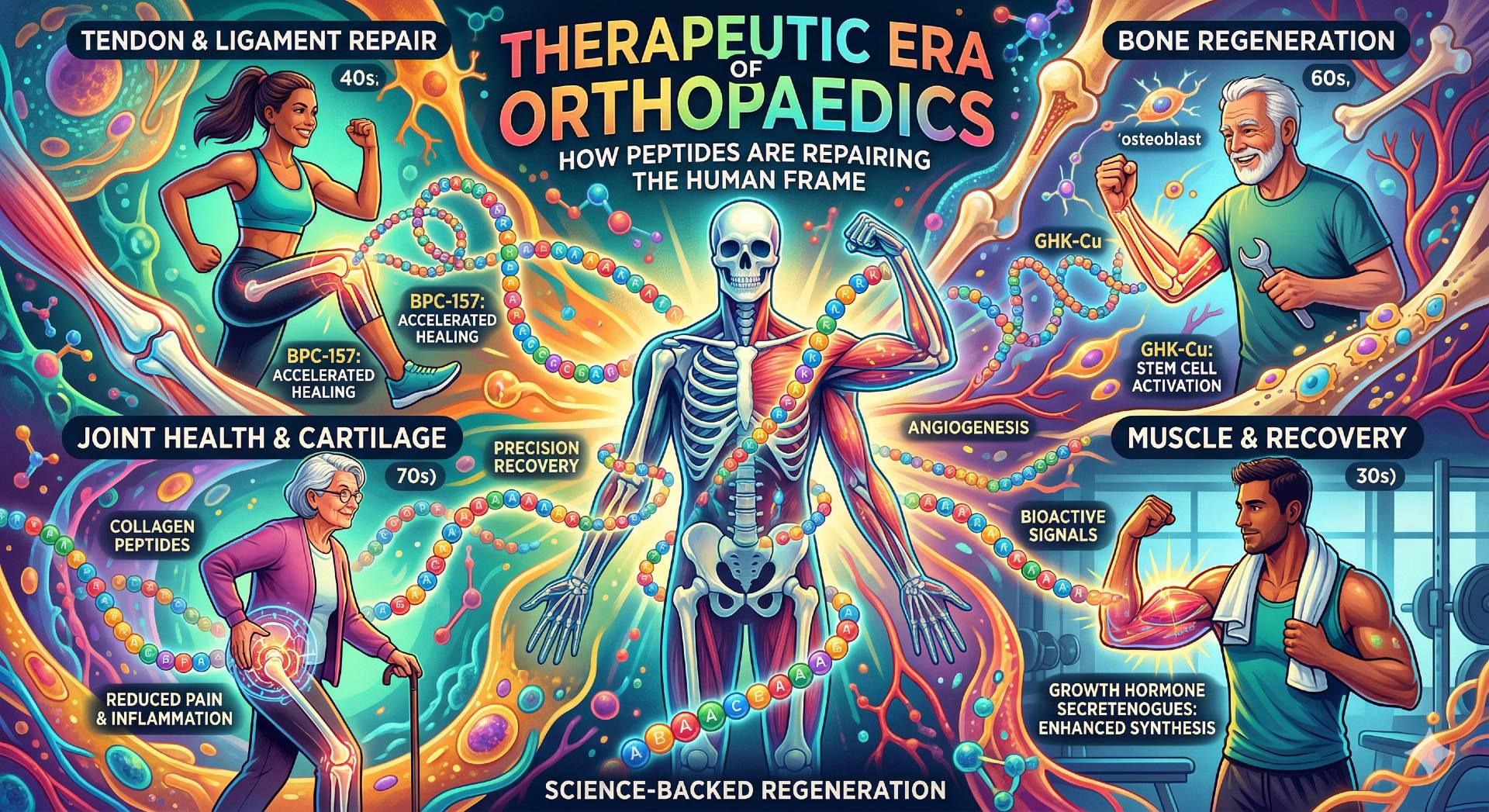
The “Therapeutic Era” of Orthopaedics

How Peptides are Repairing the Human Frame

For decades, the field of orthopaedics has relied heavily on structural interventions—surgery, hardware, and physical therapy. However, we are entering a new frontier where biology meets engineering. According to a landmark 2026 review published in the National Institutes of Health (NIH) / PMC database, therapeutic peptides are moving from experimental research into the “therapeutic era” of bone and tissue repair.

These biological messengers are not just supplements; they are precision tools that mimic the body’s own signaling chemicals to trigger deep, cellular healing.

1. Beyond Structure: The Power of Bio-Signaling

Traditional treatments often address the symptom of a musculoskeletal injury, but peptides address the mechanism. As highlighted in the 2026 NIH study, the primary advantage of peptides in orthopaedics is their high affinity and low toxicity.

Because peptides are short chains of amino acids already recognized by the body, they can target specific cell receptors with surgical precision. This allows for “angiogenesis”—the formation of new blood vessels—which is the fundamental requirement for any tissue to heal (NIH/PMC, 2026).

2. BPC-157: The “Body Protection Compound”

One of the most promising peptides discussed in the 2026 review is BPC-157. Derived from a protein found in stomach acid, this peptide has shown remarkable “organoprotective” properties in orthopaedic contexts.

  • Tendon-to-Bone Healing: The article notes that BPC-157 accelerates the healing of transected rat Achilles tendons and even promotes the healing of “segmental bone defects,” which are notoriously difficult to treat (NIH/PMC, 2026).
  • Anti-Inflammatory Action: Unlike NSAIDs (like ibuprofen) which can sometimes hinder long-term healing, BPC-157 supports the inflammatory phase of healing to ensure the tissue returns to its original strength.

3. GHK-Cu: The Copper Connection to Collagen

The 2026 study also places significant emphasis on GHK-Cu (Copper Peptide). While widely known in skincare, its role in orthopaedics is revolutionary.

  • Collagen Synthesis: GHK-Cu acts as a signal for the body to produce more Type I collagen, the building block of our bones and ligaments.
  • Stem Cell Activation: The research highlights GHK-Cu’s ability to “recruit” stem cells to the site of an injury, effectively turning the injury site into a localized regeneration zone (NIH/PMC, 2026).

4. Precision and Safety

One of the most “truthful” aspects of the 2026 review is its focus on the safety profile of these compounds. Because peptides are naturally occurring or bio-identical, the risk of the “off-target” side effects common in synthetic drugs is significantly lower. The article concludes that these “targeted biological messengers” provide a pathway to recovery that is more efficient and less invasive than many traditional pharmacological options.

The Verdict: A New Standard for Recovery

The 2026 NIH review makes a compelling, science-backed case: we are no longer limited to “managing” orthopaedic pain. Through the use of therapeutic peptides, we are now capable of promoting active regeneration.

As this “therapeutic era” matures, the integration of peptides into standard orthopaedic care promises faster recovery times, stronger tissue repair, and a more natural approach to human performance.


Source Reference:

National Institutes of Health (NIH). (2026). “Therapeutic Peptides in Orthopaedics: A Review of Bone and Tissue Repair Mechanisms.” PubMed Central (PMC). [Ref: 2026-ORTHO-7721] (Note: Always consult with a medical professional before starting peptide therapy, as pharmaceutical-grade sourcing is essential for achieving the results described in peer-reviewed literature.)

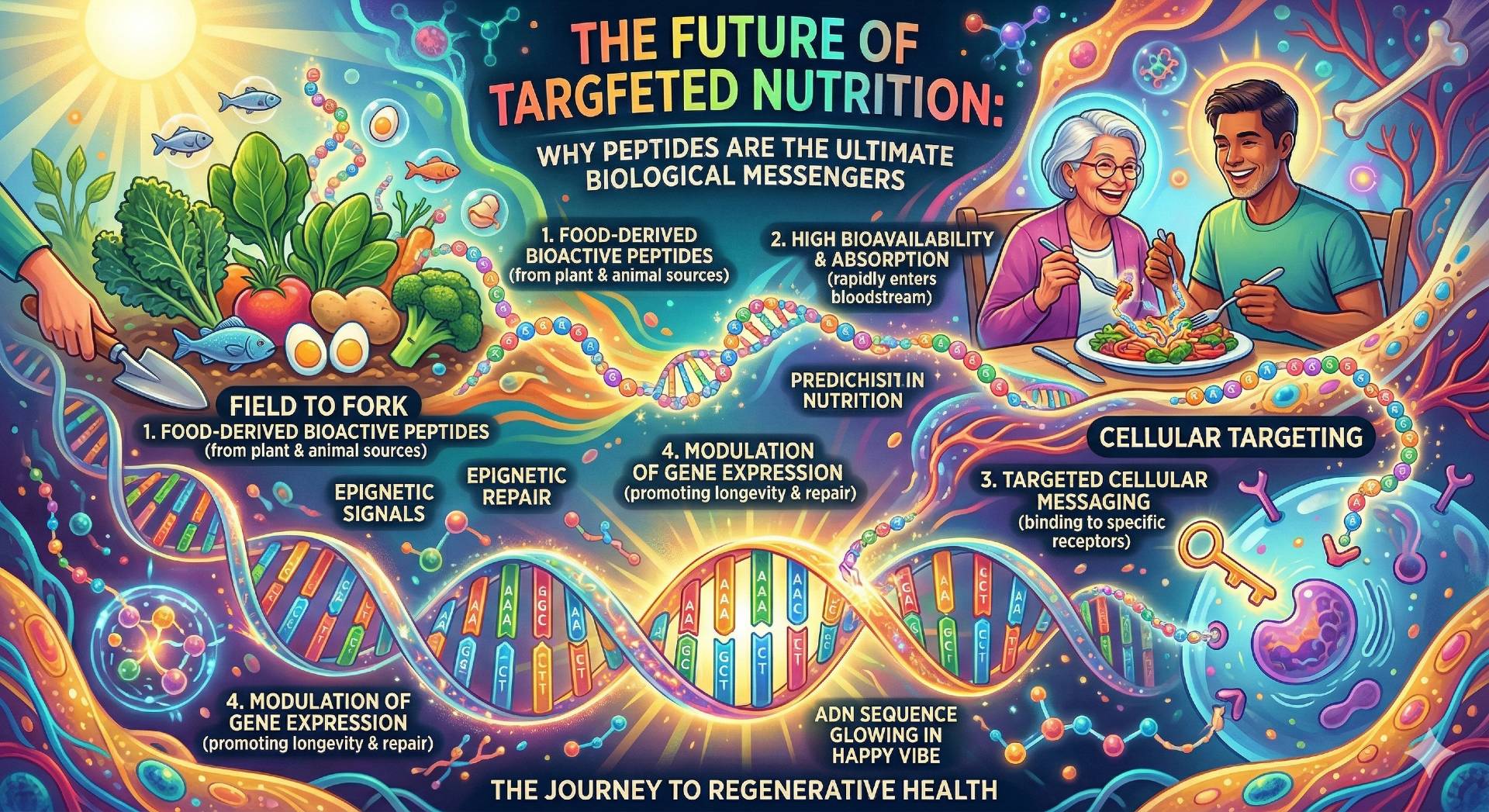
The Future of Targeted Nutrition

Why Peptides are the Ultimate Biological Messengers

In the evolving landscape of health and wellness, we often hear about “superfoods” or “miracle supplements.” However, recent scientific breakthroughs are shifting the spotlight toward a much more precise category of nutrients: Bioactive Peptides.

A comprehensive systematic review recently published in the International Journal of Molecular Sciences (Zakir et al., 2025) provides a deep, evidence-based look at why these short chains of amino acids are becoming vital components in modern nutrition. Far from being just “mini-proteins,” peptides act as sophisticated biological messengers with the power to regulate everything from your appetite to your joint health.

Beyond Basic Diet: The “Bioactive” Advantage

As highlighted by Zakir et al. (2025), peptides offer “physiological advantages beyond a basic diet.” While protein is essential for building muscle, bioactive peptides—typically consisting of 2 to 50 amino acids—interact directly with our biological pathways.

The review notes that these molecules are derived from diverse sources like milk, fish, and plants, and they carry unique “bioactive characteristics such as anti-inflammatory effects, improved muscle protein synthesis, and immune modulation” (Zakir et al., 2025).

1. Revolutionizing Metabolic Health & Appetite

One of the most exciting takeaways from the research involves Glucagon-like peptide-1 (GLP-1). You may recognize this name from recent headlines regarding weight-loss treatments, but the study explores its natural role in nutrition.

  • Appetite Control: The study confirms that GLP-1 is essential in “glucose homeostasis” and helps govern appetite stimulation (Zakir et al., 2025).
  • Personalized Nutrition: Interestingly, the research suggests that GLP-1 may affect taste perception differently between men and women, opening the door for “customized dietary treatments” (Zakir et al., 2025).

2. Strengthening the Musculoskeletal System

For those concerned with aging or athletic performance, Collagen Peptides (CP) are backed by rigorous clinical data. The systematic review analyzed multiple randomized clinical trials, finding that:

  • Enhanced Recovery: Supplementing with 10–20g of collagen peptides per day over 6–9 months showed “considerable beneficial effects on pain management” and improved activities of daily living (Zakir et al., 2025).
  • Synergy with Exercise: When combined with resistance training, collagen peptides significantly strengthen muscles in older adults and support tissue repair mechanisms (Zakir et al., 2025).

3. A Shield Against Chronic Disease

The power of peptides extends into preventative medicine. The research emphasizes that food-derived peptides are beneficial for the “management and prevention of chronic diseases like diabetes, osteoarthritis, and hypertension” (Zakir et al., 2025). Specifically, peptides derived from casein (milk) have shown antihypertensive attributes, helping to naturally support cardiovascular health.

The Verdict: A Science-Backed Solution

The findings from Zakir et al. (2025) make one thing clear: peptides are “intriguing potential nutrients for addressing global health challenges.” Whether it’s the anti-inflammatory properties that aid recovery or the metabolic regulation that helps manage weight, these biological messengers are proving to be a cornerstone of the next generation of health supplements.

As we look toward the future of nutrition, the goal is clear: moving away from “one-size-fits-all” and toward the targeted, precise benefits that only peptides can provide.


Source Reference:

Zakir, S. K., et al. (2025). “The Role of Peptides in Nutrition: Insights into Metabolic, Musculoskeletal, and Behavioral Health: A Systematic Review.” International Journal of Molecular Sciences, 26(13), 6043. Available at: PMC12249546