Why Peptides are the Ultimate Biological Messengers
In the evolving landscape of health and wellness, we often hear about “superfoods” or “miracle supplements.” However, recent scientific breakthroughs are shifting the spotlight toward a much more precise category of nutrients: Bioactive Peptides.
A comprehensive systematic review recently published in the International Journal of Molecular Sciences (Zakir et al., 2025) provides a deep, evidence-based look at why these short chains of amino acids are becoming vital components in modern nutrition. Far from being just “mini-proteins,” peptides act as sophisticated biological messengers with the power to regulate everything from your appetite to your joint health.
Beyond Basic Diet: The “Bioactive” Advantage
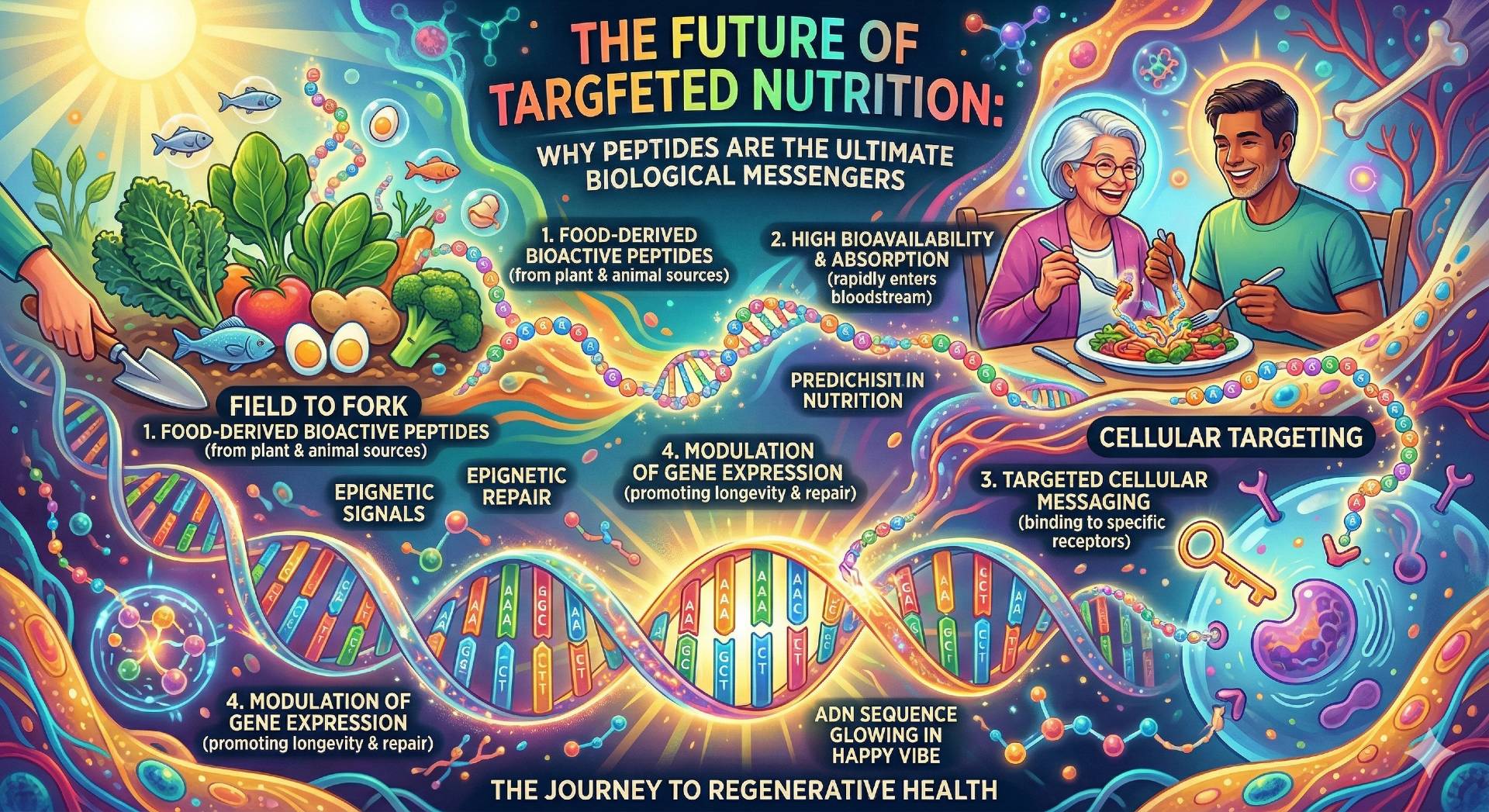
As highlighted by Zakir et al. (2025), peptides offer “physiological advantages beyond a basic diet.” While protein is essential for building muscle, bioactive peptides—typically consisting of 2 to 50 amino acids—interact directly with our biological pathways.
The review notes that these molecules are derived from diverse sources like milk, fish, and plants, and they carry unique “bioactive characteristics such as anti-inflammatory effects, improved muscle protein synthesis, and immune modulation” (Zakir et al., 2025).
1. Revolutionizing Metabolic Health & Appetite
One of the most exciting takeaways from the research involves Glucagon-like peptide-1 (GLP-1). You may recognize this name from recent headlines regarding weight-loss treatments, but the study explores its natural role in nutrition.
- Appetite Control: The study confirms that GLP-1 is essential in “glucose homeostasis” and helps govern appetite stimulation (Zakir et al., 2025).
- Personalized Nutrition: Interestingly, the research suggests that GLP-1 may affect taste perception differently between men and women, opening the door for “customized dietary treatments” (Zakir et al., 2025).
2. Strengthening the Musculoskeletal System
For those concerned with aging or athletic performance, Collagen Peptides (CP) are backed by rigorous clinical data. The systematic review analyzed multiple randomized clinical trials, finding that:
- Enhanced Recovery: Supplementing with 10–20g of collagen peptides per day over 6–9 months showed “considerable beneficial effects on pain management” and improved activities of daily living (Zakir et al., 2025).
- Synergy with Exercise: When combined with resistance training, collagen peptides significantly strengthen muscles in older adults and support tissue repair mechanisms (Zakir et al., 2025).
3. A Shield Against Chronic Disease
The power of peptides extends into preventative medicine. The research emphasizes that food-derived peptides are beneficial for the “management and prevention of chronic diseases like diabetes, osteoarthritis, and hypertension” (Zakir et al., 2025). Specifically, peptides derived from casein (milk) have shown antihypertensive attributes, helping to naturally support cardiovascular health.
The Verdict: A Science-Backed Solution
The findings from Zakir et al. (2025) make one thing clear: peptides are “intriguing potential nutrients for addressing global health challenges.” Whether it’s the anti-inflammatory properties that aid recovery or the metabolic regulation that helps manage weight, these biological messengers are proving to be a cornerstone of the next generation of health supplements.
As we look toward the future of nutrition, the goal is clear: moving away from “one-size-fits-all” and toward the targeted, precise benefits that only peptides can provide.
Source Reference:
Zakir, S. K., et al. (2025). “The Role of Peptides in Nutrition: Insights into Metabolic, Musculoskeletal, and Behavioral Health: A Systematic Review.” International Journal of Molecular Sciences, 26(13), 6043. Available at: PMC12249546